A full restaurant is not always a profitable restaurant. But without customers, no numbers work. These concepts connect operations with the market and the customer.
13 High priority
15 Complementary
28 Block total
The 28 marketing and sales terms for restaurants: upselling, NPS, buyer persona, customer journey, online reviews, Google My Business and more.
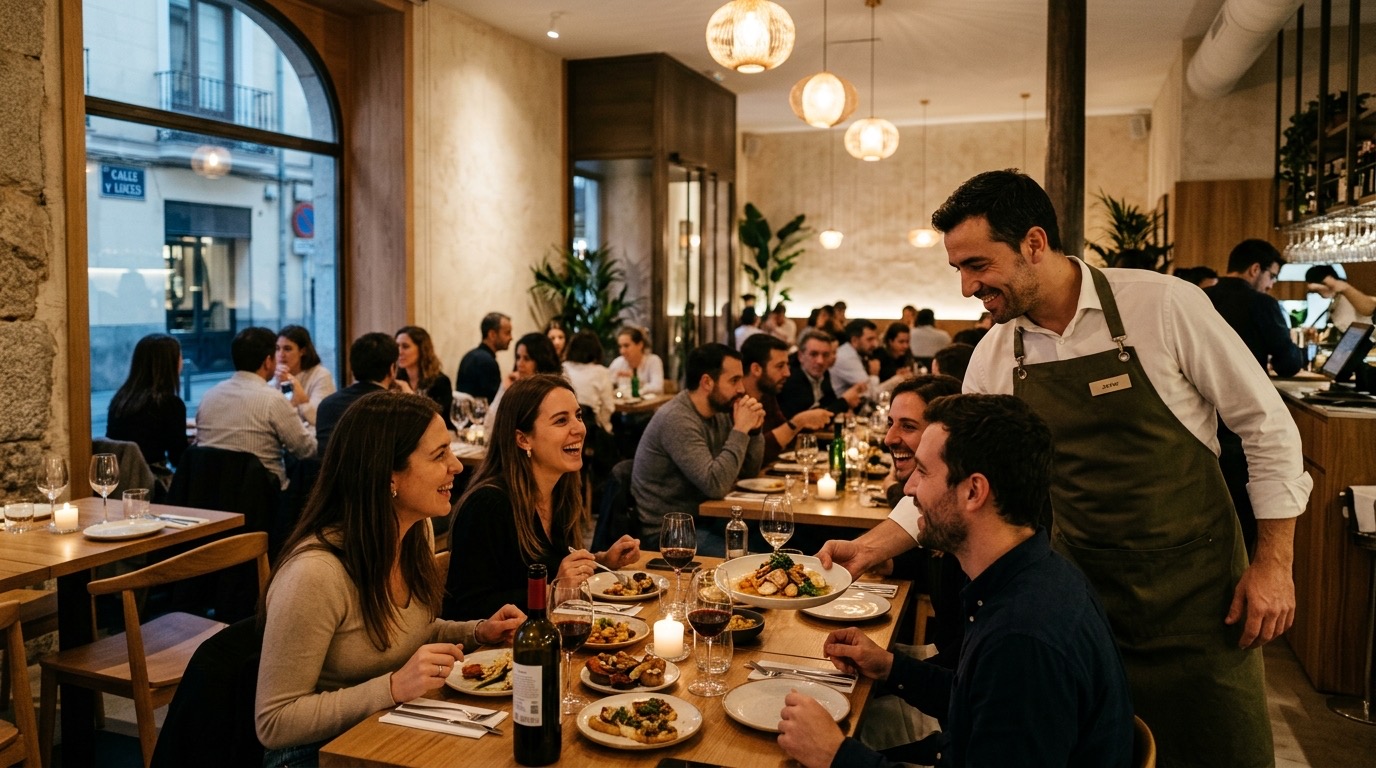
A full restaurant is not always a profitable restaurant. But without customers, no numbers work. These concepts connect operations with the market and the customer.
Suggesting a higher-value option to the customer. The goal is to increase the average check naturally and without pressure.
Net Promoter Score. Measures the likelihood that a customer will recommend you. Better predicts loyalty than Google stars.
Percentage of customers who repeat their visit. Direct indicator of experience quality and concept strength.
Percentage of customers who remain customers after a given period. Retaining is cheaper than acquiring.
Public opinion from a customer on Google, TripAdvisor or social media. One negative review can cost dozens of potential customers.
Online Reputation Management. Active management of digital reputation: responding to reviews, proactively requesting feedback.
Representation of the ideal customer built with real data: behavior, motivations, habits and spending capacity.
Customer overall perception of their interaction with the restaurant. It is not just the food — it is the entire journey.
Reservation that does not show up without notice. One of the main sources of revenue loss in restaurants with reservations.
Incentive system to reward recurrence: points, discounts, exclusive experiences, priority access.
Business listing on Google. First impression for 80% of customers searching for nearby restaurants.
Set of visual, verbal and experiential elements that make the restaurant recognizable: logo, tone, atmosphere, service.
Professional photography of dishes and space. It is the first decision filter for digital customers before booking.
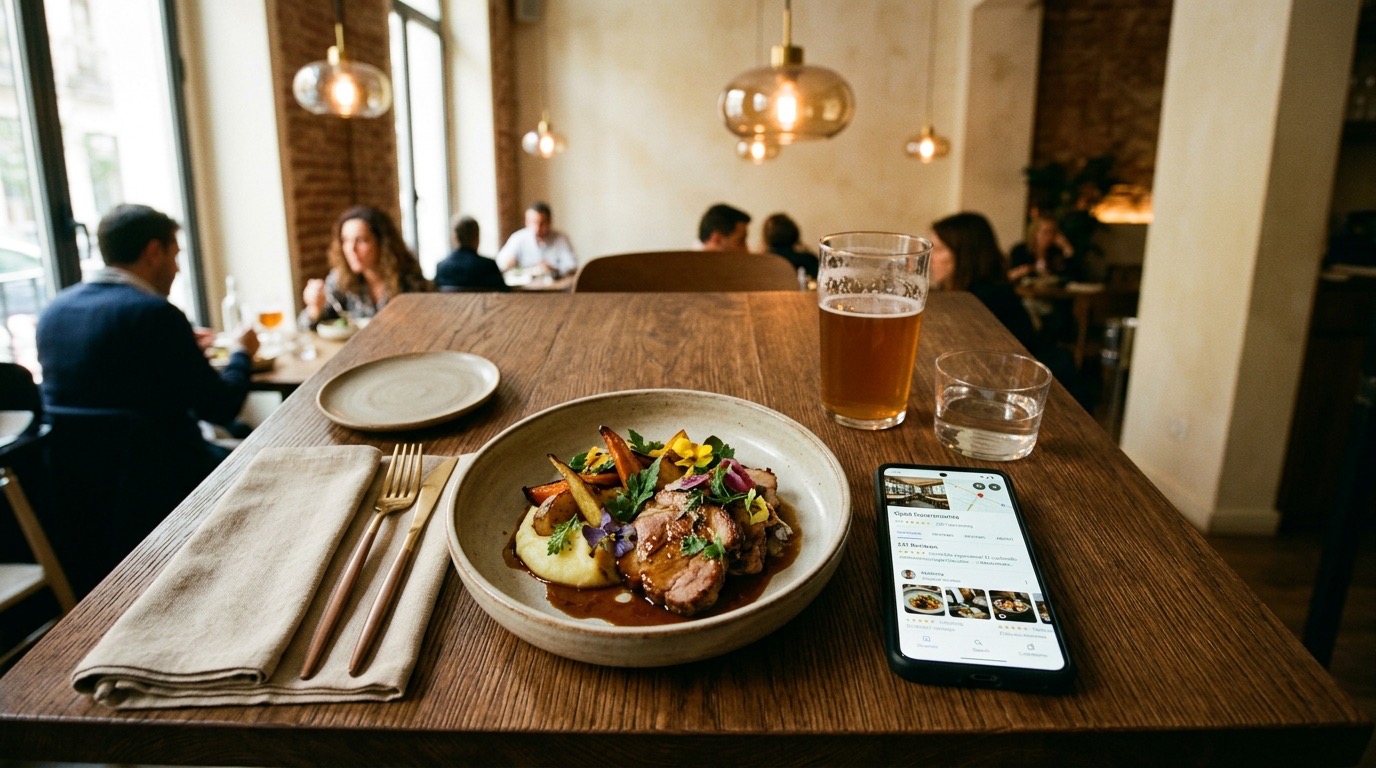
Offering complementary products to what the customer has already ordered. "Shall we add a side?" is cross-selling.
Offering a lower-priced alternative when the customer hesitates. Better to sell something than to lose the sale.
Lifetime Value. Total economic value of a customer throughout their relationship with you. A customer who comes 20 times/year at €35 = €700/year LTV.
Customer Acquisition Cost. Marketing investment needed to acquire a new customer. If it exceeds LTV, you lose money.
System to manage customer relationships: visit history, preferences, segmentation for communications.
Division of the customer base into groups with common characteristics to personalize communication and offers.
Map of all touchpoints between the customer and the restaurant: from first awareness to repeat visits.
Critical points of the experience where customer perception is formed or broken: arrival, first course, bill.
Direct communication with customers via email: menu updates, events, exclusive offers, birthdays.
Use of WhatsApp Business for direct communication: reservation confirmations, daily menu, segmented promotions.
Narrative construction of the restaurant's history, chef and concept. Connects emotionally with the customer.
Collaborations with content creators to give visibility to the restaurant. Variable effectiveness; selection is key.
Average Daily Rate. Average revenue per unit sold per day. More used in hotels, applicable to restaurants with reservations.
Conversion process: discovery → interest → reservation → visit → loyalty. Each stage has its own metrics.
Percentage of people who move from one funnel stage to the next. For example, from visiting the website to making a reservation.
300+ prompts de IA para hosteleria: cocina creativa, gestion, marketing y mas. eBook PDF + dashboard exclusivo.
Every concept in this glossary is a lever for improvement in your restaurant. The first step is a professional diagnosis.
Boost My Visibility → →No commitment. Confidentiality guaranteed.
Digital solutions for the hospitality industry