The daily operation of a restaurant is a precision machine. Each concept in this list directly impacts food cost, product quality, and customer experience. Mastering them distinguishes between a professional restaurant and one that improvises.
The 34 operational terms of professional kitchen: recipe costing, waste, FIFO, mise en place, portion control, traceability, brigade and more.
The daily operation of a restaurant is a precision machine. Each concept in this list directly impacts food cost, product quality, and customer experience. Mastering them distinguishes between a professional restaurant and one that improvises.
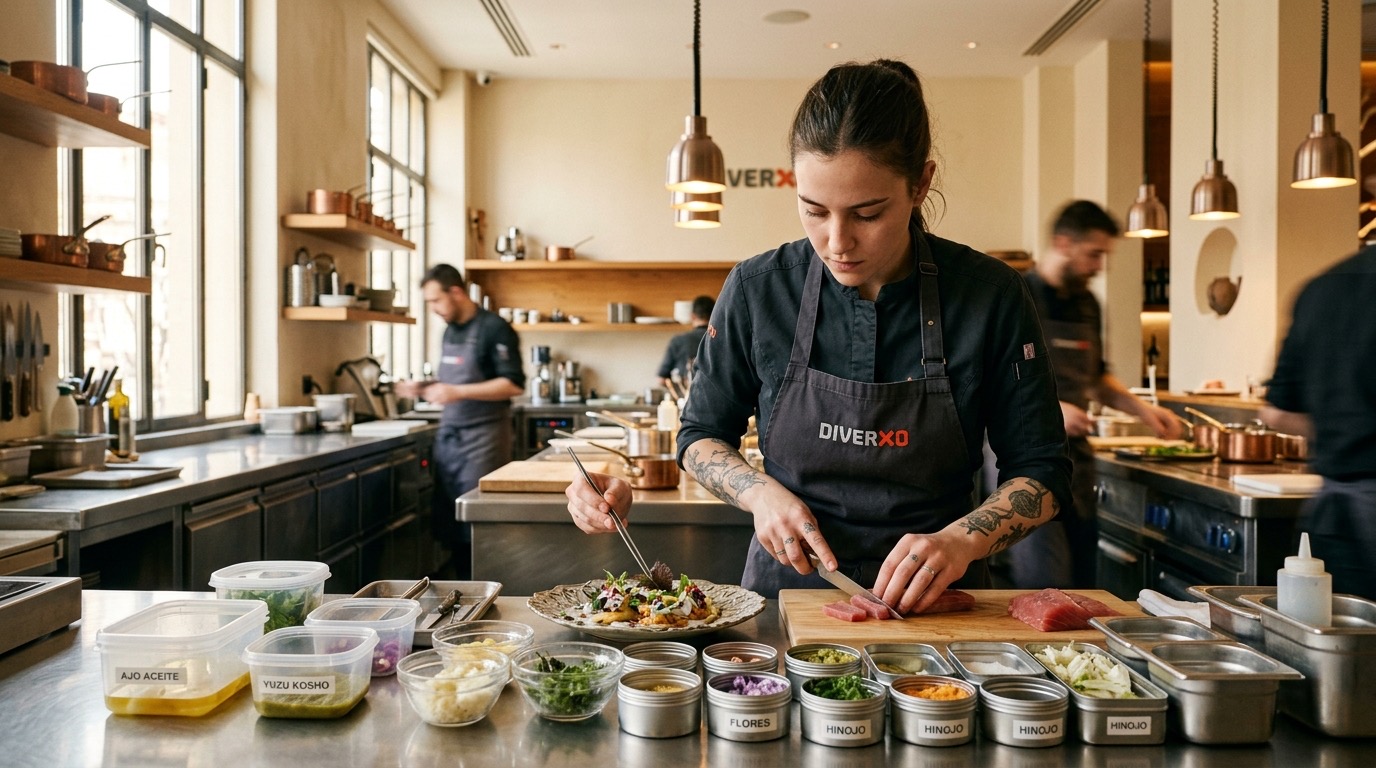
All preparation done before service: cuts, stocks, sauces, portions ready. A restaurant with good mise en place responds quickly and with quality.
Technical document recording ingredients, quantities, costs, and waste of a recipe. Base for calculating food cost and setting prices.
Document that standardizes dish preparation: ingredients, process, presentation, allergens. Without it, the dish changes depending on who cooks.
Loss of weight or volume during handling, cleaning, cooking, or storage. It directly affects the real cost of the ingredient.
Number of times inventory is consumed and replenished in a period. High turnover indicates efficiency; low turnover means immobilized product.
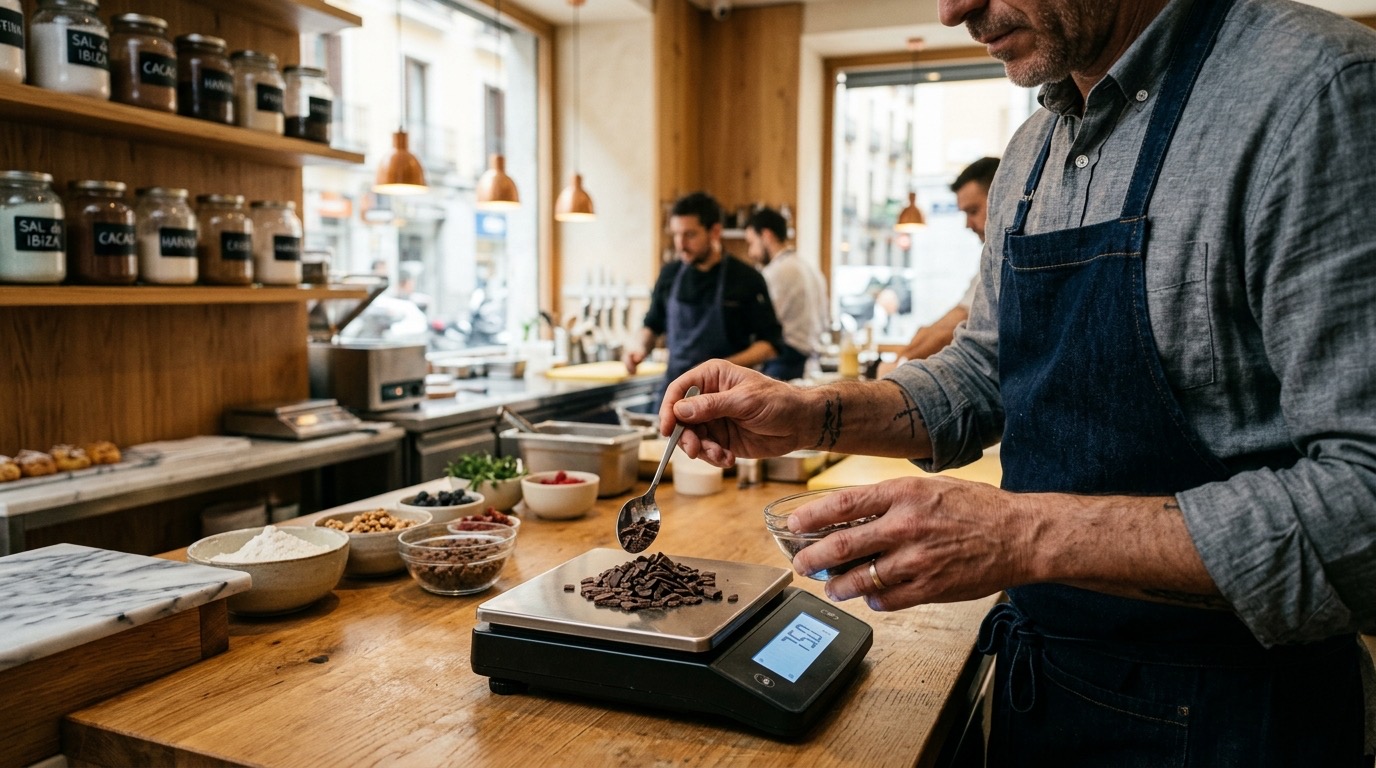
System that guarantees each serving respects the gram weight of the technical sheet. Direct impact on food cost.
Number of times a table is occupied by different customers during a service. Key in high-turnover restaurants.
Master document that brings together all restaurant SOPs. Base for scaling, training staff, and maintaining quality.
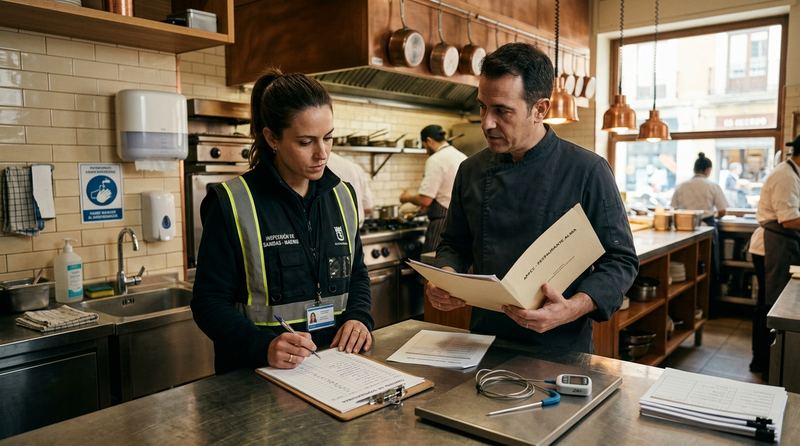
Verification checklist for opening, closing, or shift change. Ensures no step is forgotten.
Ability to track each product from supplier to customer plate. Legal requirement in the EU.
The 14 allergens of mandatory declaration in the EU. Each dish must have its allergen information documented and accessible.
Uninterrupted maintenance of appropriate temperature from reception to service. Breakage is a serious health risk.
Point of Sale Terminal. System that manages orders, payments, inventory, and reporting. The restaurant's digital brain.
Team organized under hierarchical structure: Executive Chef, Sous Chef, Station Chefs, Cooks, Assistants.
Product loss from operational errors: returned dishes, overproduction, stock breakages, expirations.
Weight loss during cooking due to evaporation, reduction, or dehydration. Varies by product and cooking method.
First In, First Out. Products that arrived first are used first. Reduces waste from expiration.
Last In, First Out. Accounting method where the last products purchased are the first to be valued as sold.
Inventory level below which an order to the supplier is triggered to guarantee service continuity.
Upper inventory limit to avoid overstocking, capital immobilization, and expiration risks.
Additional reserve to absorb unexpected events: supplier delays, demand spikes, or order errors.
Stock level that automatically triggers a new order. Calculated using daily consumption and supplier lead time.
Real-time stock control system. Each entry and exit is recorded immediately, providing updated data.
Physical stock count at regular intervals (weekly, bi-weekly). Simpler but less accurate than perpetual.
Percentage of tables or seats occupied relative to total available during a service or period.
One cover equals one customer served. "120 covers" means 120 clients served in that period.
Defined period of customer service: lunch service, dinner service, brunch. Each period has its own operational dynamics.
Kitchen production capacity per unit of time. How many dishes can be executed during one peak service hour.
Standard Operating Procedure. Step-by-step document on how to execute each task: from opening the establishment to handling a complaint.
Communication flow between dining room and kitchen to transmit customer orders. Digital (POS) or manual (order pad).
Physical distribution of the kitchen: work zones, production flows, equipment location. Determines operational efficiency.
Percentage of usable product after applying waste. A loin with 15% waste has a yield of 85%.
Systematic recording of all daily waste: discarded product, returned dishes, expirations. Base for operational control.
Relationship between output (dishes produced, covers served) and input (labor hours, staff cost).
Plan completo con modelo financiero. Ideal para emprender con inversion reducida.

Every concept in this glossary is a lever for improvement in your restaurant. The first step is a professional diagnosis.
Request Operational Diagnosis → →No commitment. Confidentiality guaranteed.
Digital solutions for the hospitality industry